Position zero — the featured snippet box above the regular results — still drives enormous visibility in 2026. It's the single result Google elevates above everything else: a direct answer pulled from one page. And unlike most of SEO, winning it is largely a formatting game you can control.
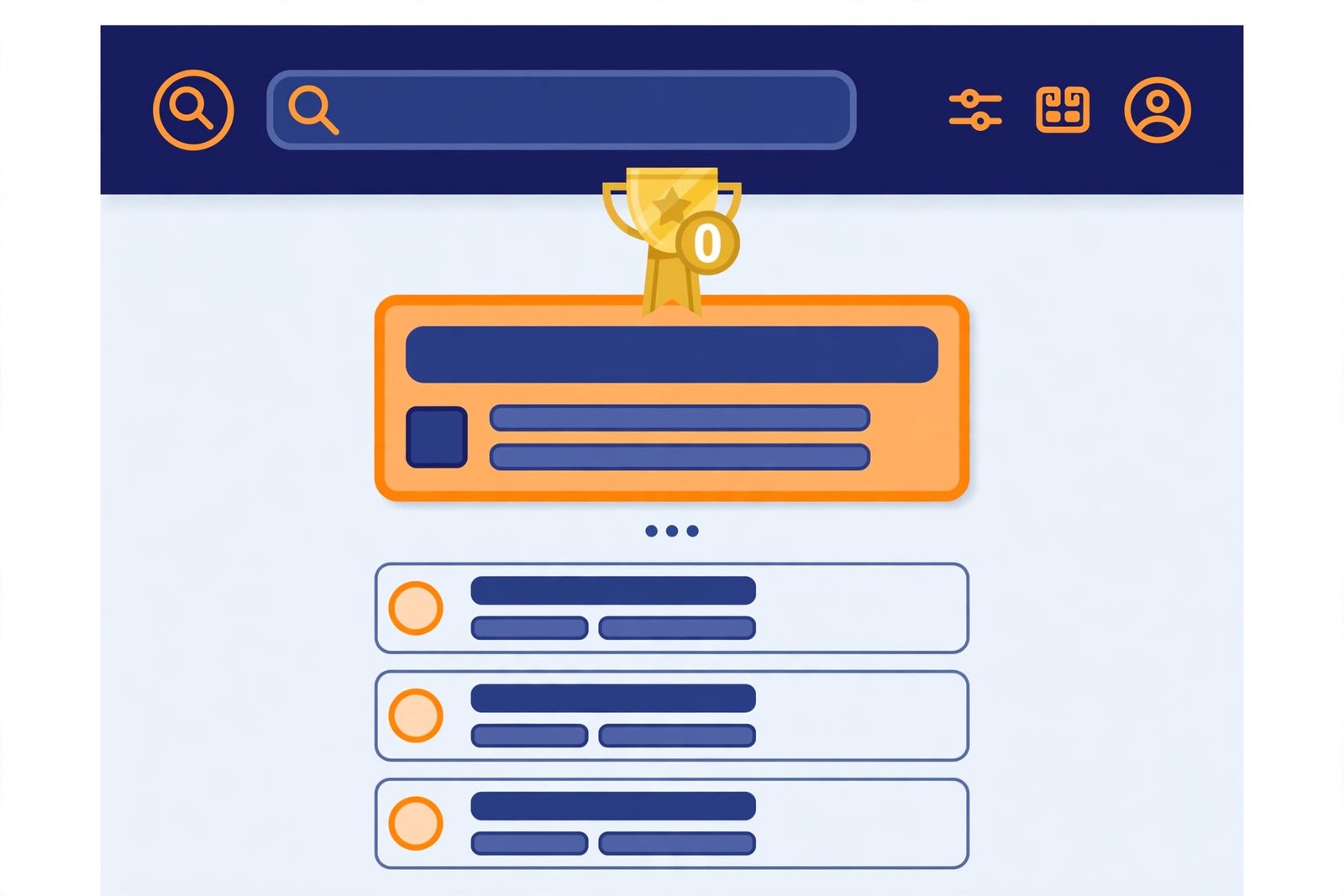
You don't need a bigger budget or a bigger domain to win snippets. You need to understand what Google puts in the box, match that format precisely, and already rank close enough to be eligible. Here's the full playbook.
What Google puts in the box
Featured snippets come in four main shapes, and each one wants a different format. Matching the format to the query type is half the battle:
- Paragraph snippets — a 40–60 word direct answer. Best for "what is" and "why" queries. Example: "What is NAP in local SEO?" gets a short definitional paragraph.
- List snippets — numbered or bulleted steps. Best for "how to" queries. Google lifts ordered steps directly from your page, so clean numbering matters.
- Table snippets — comparisons, prices, specs, schedules. Best for "vs" queries and anything with data. If your page already has an HTML table, you're halfway there.
- Video snippets — for queries where watching beats reading, like repair walkthroughs. These pull from video platforms, so they need a video strategy of their own.
The key insight: Google doesn't invent the format — it reflects the format of the source page. If you want a list snippet, publish a clean list. If you want a table snippet, publish a real HTML table, not a screenshot of one.
The snippet-winning structure
When I optimize a page for a snippet, I follow this structure. It works because it removes every obstacle between Google's extractor and the answer:
- Mirror the query in a heading. An H2 phrased exactly like the search question ("How much does garage door repair cost?") is the strongest on-page signal. Don't get clever — match the words people type.
- Answer immediately below it. Put the 40–60 word answer in the very next paragraph or list — no preamble, no "in this section we'll explore." The answer must be the first thing under the heading.
- Match the format to the intent. Steps get numbered lists, comparisons get tables, definitions get short paragraphs. Check what format currently holds the snippet for your query and match it — Google has already told you what it wants.
- Make the answer self-contained. The snippet must make sense with zero surrounding context. Avoid "as mentioned above" or "this depends" openings. State the answer as if it's the only sentence the reader will see — because it might be.
- Rank on page one first. Google almost always pulls snippets from pages already ranking in the top 10 — so classic SEO still comes first. A perfectly formatted answer on page 3 wins nothing.
Finding snippet opportunities
Don't guess which queries to target. Let your own data tell you:
- Open Google Search Console and look at queries where you rank in positions 1–10 with meaningful impressions. These are your eligible pages — you're already in the pool Google draws from.
- Check the SERP for each query. Search the query yourself and note which ones already show a featured snippet — and who holds it.
- Prioritize winnable boxes. The best targets: queries where you rank in the top 5, the current snippet is weak (vague, outdated, poorly formatted), and the query has real volume or commercial value.
- Steal with better formatting. You don't need better information than the current holder — you need a better-shaped answer. A crisp 50-word paragraph beats a rambling 200-word one every time.
For local businesses, the richest snippet opportunities are question queries with local intent: "how much does X cost in [city]," "do I need a permit for X in [city]." These have lower competition and higher conversion value than generic national queries.
Common snippet mistakes
- Burying the answer mid-article. The answer sits in paragraph 12 of a 2,000-word post. Fix: move the direct answer directly under the matching H2, in the first paragraph.
- Answering three questions in one paragraph. Google can't lift a clean unit when the answer is tangled with two others. Fix: one question, one heading, one crisp answer.
- Clever-but-unclear headings. "The Pricing Puzzle" instead of "How much does it cost?" Fix: phrase headings as the literal search query.
- Using images instead of HTML tables. A screenshot of a comparison table can't be extracted. Fix: build real HTML tables for any data you want quoted.
- Forgetting the page-one prerequisite. Spending hours formatting a page that ranks #28. Fix: earn the ranking first through standard SEO, then optimize the format.
- Never checking back. Snippets get stolen — competitors reformat and take the box. Fix: re-check your target queries monthly and refresh any answers that lost the box.
Keeping the snippets you win
Winning a snippet isn't the end — it's the start of defending it. Competitors watch the same SERPs you do, and a better-formatted answer can take your box in a single recrawl. Build a simple maintenance habit:
- Recheck target queries monthly. Search your top 10–20 snippet queries and note who holds each box. A lost snippet is usually a formatting problem, not a ranking problem — compare the new holder's answer to yours and tighten accordingly.
- Refresh answers when facts change. Pricing, timeframes, and "best of" lists go stale. An outdated answer is the easiest snippet to steal, so update yours before someone else does.
- Watch Search Console for new opportunities. Queries climbing into positions 1–10 are future snippet candidates. Format those pages before a competitor claims the box.
Think of snippets as rented, not owned. The rent is paid in freshness and formatting — cheap compared to the visibility.
When you lose the box: a recovery checklist
Losing a snippet stings, but it’s fixable — most losses come from three causes. First, check whether your page still ranks on page one. If it dropped below, the snippet loss is a ranking problem, not a formatting problem — fix the ranking first. Second, if you’re still on page one, search the query and study the new box-holder. Most of the time they simply formatted the answer better: a cleaner definition, a tighter list, a fresher date. Rewrite your answer to beat theirs on clarity and completeness — then make it unmistakably better, not just equal.
Third, check freshness. If the query involves pricing, “best of” rankings, or time-sensitive facts, an outdated answer gets replaced fast. Update the numbers, add the current year where relevant, and republish. After fixing, request reindexing in Search Console to speed up the recrawl — snippets can flip back within days of Google reprocessing the page. One more thing: don’t chase a lost snippet by stuffing the answer with keywords or making it longer. Longer rarely wins; clearer wins.
Keep a monthly log of your top snippet queries and who holds each box. Patterns emerge — you’ll start predicting which pages are vulnerable before they fall, and that’s worth more than any single recovery.
Featured snippet FAQs
Do featured snippets steal my clicks?
It depends on the query. For simple factual questions, the snippet may satisfy the user without a click. But snippet holders still get the brand visibility, and for commercial or complex queries, users click through to learn more. For most sites, the visibility gain outweighs the clicks lost.
Can I opt out of featured snippets?
Technically yes, but opting out removes you from position zero without improving your regular ranking, so it's almost never the right call. If your content is good enough to be featured, let it be featured.
How long does it take to win a snippet?
Once the page ranks on page one and the format is right, snippets can flip within days to weeks of Google recrawling the page. There's no application process — it's algorithmic. Publish the right format, wait for the recrawl, check the SERP.
Can a new site win featured snippets?
Yes, if it ranks on page one for the query. Snippets are format-driven, not authority-driven — a new page with a perfectly structured answer can take the box from an established competitor. The hard part is the page-one ranking, not the snippet itself.
Do snippets work for local queries?
Absolutely — and they're often easier to win because national competitors don't target them. "How much does drain cleaning cost in Phoenix?" is a perfect snippet target for a local plumber: clear question, numeric answer, local intent.
Bottom line
You don't need more content to win snippets — you need better-shaped content. Find the questions you already rank near, reformat the answers into clean, self-contained units, and watch the boxes flip your way. It's the highest-ROI formatting work in SEO — and the same structure also powers AI Overview citations and voice answers.